
How to Build a Strong Salon Culture That Retains Your Best Staff
The best stylists have options. They can work anywhere, and they know it. The question every salon owner should be asking isn't just how to find great people, but how to create an environment that makes great people want to stay.
Salary matters. So does opportunity and career progression. But the single biggest factor in whether a stylist stays or goes is almost always something less tangible than any of those things. It's how they feel when they walk through the door in the morning.
That feeling, the culture of your salon, is something you create every single day, through the decisions you make, the standards you set and the way you treat the people who work alongside you. It doesn't happen by accident. And it doesn't fix itself when it goes wrong.
This post is about the practical, day-to-day things that build a working environment people genuinely want to be part of.
Culture Is What Happens When You're Not Looking
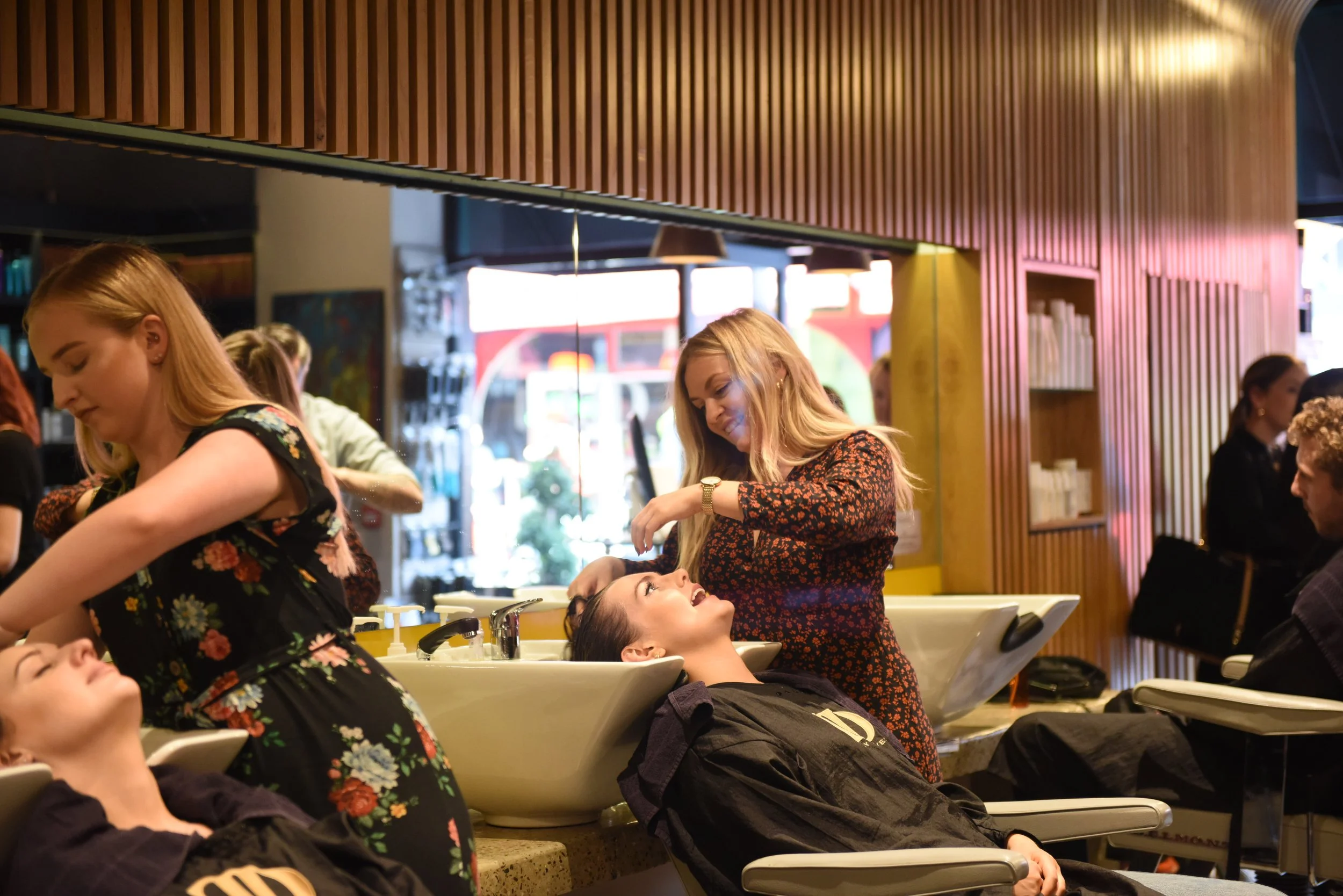
A common misconception about salon culture is that it's something you define once; in a team meeting, in a staff handbook, in a set of values written on the wall, and then it exists. It doesn't work that way.
Culture is the sum of everything that happens in your salon every day. How senior stylists treat apprentices when they make a mistake. Whether the team eats lunch together or in silence on their phones. How complaints are handled. Whether achievements are acknowledged or taken for granted. What happens when the day gets difficult and the pressure builds.
As a salon owner, you set the tone for all of it, whether you intend to or not. Your team is watching how you behave, how you respond under pressure, how you treat people when things don't go to plan. The culture of your salon is, to a very significant degree, a reflection of you. Which means the most powerful thing you can do to improve it is to look honestly at your own behaviour first.
Start With Psychological Safety
The term sounds corporate. The concept is fundamental.
Psychological safety means that people feel safe to speak up, ask questions, make mistakes and be honest; without fear of embarrassment, criticism or consequences. In a salon context, it's the difference between a junior stylist who asks for help when they're unsure and one who guesses and hopes for the best. Between a senior stylist who flags a problem early and one who stays quiet until it becomes a crisis.
Salons where psychological safety is high are more efficient, more creative and significantly more enjoyable to work in. Mistakes get caught earlier. Ideas get shared more freely. Problems get solved collaboratively rather than festering quietly.
Building it starts with how you respond when things go wrong. A salon owner who responds to mistakes with patience and curiosity: "what happened and what can we learn from this?", builds a team that communicates openly. One who responds with frustration or blame builds a team that hides problems. The choice, every time something goes wrong, is yours.
Make Communication a Daily Habit

Poor communication is the root cause of more salon culture problems than almost anything else. Misaligned expectations, unresolved tensions, rumours that fill the gaps left by a lack of information: all of it comes from communication that isn't happening consistently enough or clearly enough.
Start the day well. A brief, positive team check-in at the start of each day, even two or three minutes, sets the tone for everything that follows. It doesn't need to be formal. A quick rundown of the day's appointments, a heads-up about anything unusual, a moment to acknowledge someone who did something well yesterday. Small investment, significant return.
Be clear about expectations. Ambiguity is a culture killer. When people aren't sure what's expected of them, in terms of standards, behaviour, punctuality, how they interact with clients, they fill the gaps with their own interpretation, which may or may not align with yours. Be specific, be consistent, and revisit expectations regularly rather than assuming they've been absorbed and retained from a single conversation.
Have the difficult conversations early. The temptation when a problem arises; a stylist who's consistently late, a tension between two team members, a standard that's slipping, is to hope it resolves itself. It almost never does. Small issues left unaddressed become bigger ones. Address them early, privately and constructively, focused on the behaviour, not the person.
Create space for the team to be heard. Communication in a healthy salon culture flows in both directions. Regular one-to-ones give each team member a dedicated space to raise concerns, share ideas and discuss their development without the pressure of the salon floor around them. Stylists who feel heard are significantly more engaged than those who feel like their voice doesn't matter.
Recognise and Celebrate the Good Stuff

Recognition is one of the most underused tools in any salon. It costs nothing, takes seconds and has a disproportionate impact on how people feel about their work.
This doesn't mean grand gestures or formal awards. It means noticing. A stylist who handles a difficult client beautifully deserves to be told. An apprentice who's been putting in extra effort behind the scenes deserves to know you've noticed. A great result shared publicly, on the salon's Instagram, in a team message, at the start of a shift, means something to the person who achieved it.
The absence of recognition is felt just as keenly as its presence. A team that works hard and never hears that it's noticed will eventually stop working quite as hard. Not out of malice; out of a quiet, accumulated sense that the effort doesn't matter.
Make recognition specific and genuine. "That consultation you did this morning was really impressive, the way you handled the client's expectations around the colour correction was exactly what we'd want every stylist to do" lands completely differently from "you did well today." Specificity tells the person that you were actually paying attention.
Invest in the Day-to-Day Experience
The physical and emotional experience of spending eight or nine hours in your salon every day shapes how your team feels about working there more than most salon owners realise.
The environment matters. A clean, well-organised, thoughtfully designed workspace signals to your team that they and their work matter. A backroom that's chaotic and poorly equipped, a staff area that's an afterthought, tools and equipment that aren't properly maintained: these things send the opposite message. Walk through your salon regularly with fresh eyes and ask honestly whether it's a place you'd want to spend eight hours a day.
Breaks are non-negotiable. A team that doesn't get proper breaks doesn't perform well, doesn't feel well and doesn't stay. The salon floor is physically and emotionally demanding. Adequate breaks aren't a luxury — they're the baseline that allows your team to deliver a consistently good service throughout the day. Protect them even when the diary is full.
Small things add up. Good coffee in the staff room. Music that the team actually enjoys. Celebrating birthdays. A team lunch once a month. None of these things individually transform a culture, but collectively they build an environment that feels human, and human environments are the ones people choose to stay in.
Lead by Example — Consistently
Everything in this post is undermined if it isn't modelled consistently by the person at the top. A salon owner who talks about respect but loses their temper under pressure, who champions communication but is never available, who recognises the team's achievements but takes credit for them publicly; creates a culture of cynicism rather than trust.
Your team will not behave better than you do. They will, over time, reflect back to you exactly what you model for them. Which means the most important cultural work you can do isn't a team meeting or a new set of values; it's your own behaviour, every day, in the moments when it would be easier to take a shortcut.
Consistency is the thing. Anyone can lead well on a good day. The culture of your salon is determined by how you lead on a difficult one.
A strong salon culture isn't built in a day and it isn't fixed by a single conversation. It's built through hundreds of small decisions, made consistently over time, about how you communicate, how you respond to problems, how you treat people and how you show up as a leader.
Get it right and the results speak for themselves. Lower staff turnover, higher team engagement, a reputation that attracts the best people and keeps them. A salon that people genuinely want to be part of, and that clients feel the moment they walk through the door.
That's what culture does when it's working.
Looking to develop your leadership and communication skills as a salon owner? Our Business Masterclasses cover team management, salon culture, client communication and more, taught by coaches who've built successful careers in the hair industry. And don't miss our Body Language & Voice Dynamics masterclass with Lorraine Naughton, the communication skills session that's already getting incredible feedback from stylists and salon owners alike.