
90s Hair Trends Are Back - Here's How to Deliver Them in the Salon
The 90s never really left. They just waited long enough for everyone to forget how much work some of those looks actually took to achieve.
From the salon floor to the runway, 90s hair is everywhere right now — and clients are coming in with references pulled straight from old magazine spreads, Netflix nostalgia and TikTok throwbacks. The good news is that most of these looks are genuinely wearable in 2026, with a few modern updates. The challenge is knowing which techniques hold up, which ones need adapting, and how to deliver them with a contemporary finish rather than a costume.
Here's the breakdown stylists actually need.
The Looks Defining the Revival
The Rachel
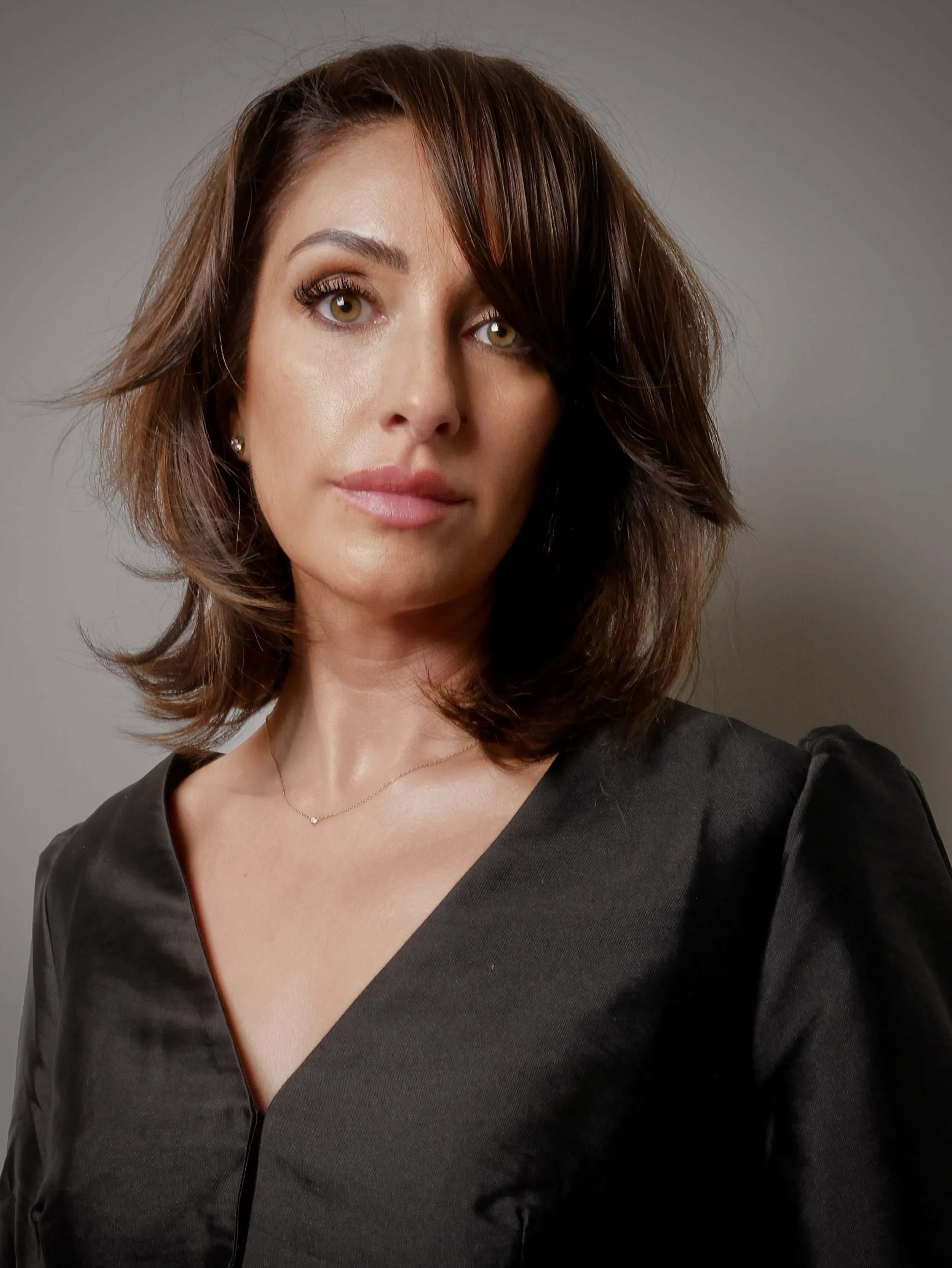
It's back. Again. And this time it's not going quietly. Jennifer Aniston's layered, face-framing cut from Friends remains one of the most requested celebrity haircuts of all time — and the current version is softer and more wearable than the original, with less rigid layering and a more lived-in finish.
Technically, this is a mid-length layered cut with strong face framing, internal graduation and significant texture through the ends. The 90s version was heavily highlighted and blow-dried to within an inch of its life. The modern update pairs the same structure with a more natural finish — air-dried texture, softer highlights or a sun-kissed balayage, and less volume at the root. It works across a wide range of face shapes and hair types, which is exactly why it keeps coming back.
Curtain Bangs
The most enduring 90s trend of the current revival. Curtain bangs are a centre-parted fringe that falls on either side of the face rather than straight across the forehead — longer at the outer edges, shorter at the centre. They frame the face softly without the commitment of a full fringe, which makes them an easy yes in the consultation.
The technique is straightforward but the finishing is everything. Cut dry or damp into shape, then blow-dry with a round brush directing each side away from the centre part to create that signature soft, outward sweep. The client needs to know how to style them at home — this is a retail opportunity for a good round brush and a light hold product.
Sleek, Straight Hair
The ultra-straight, glass-smooth hair of the late 90s is back with a polish that the original flat irons simply couldn't deliver. Think runway sleekness — high shine, zero frizz, dead straight from root to tip. This is a blow-dry and finish service rather than a cut, but it's one worth mastering because the demand is consistent and the result photographs beautifully.
The key is preparation. Start with a smoothing product through damp hair before blow-drying with a paddle brush and concentrator nozzle. Follow with a straightening iron in slow, deliberate passes — rushing creates kinks. Finish with a shine serum through the mid-lengths and ends, and a light mist of flexible hold spray to lock it in. The cool shot at every stage is non-negotiable.
The Butterfly Cut
The butterfly cut has been one of the biggest haircut trends of the past two years and shows no sign of slowing down. It's essentially a heavily layered cut where the shorter layers sit at the crown and fall outward — creating the visual effect of wings when the hair moves, hence the name.
It's a genuinely technical cut. The layering needs to be precise and the graduation balanced to avoid a shapeless result. It works best on medium to long hair with some natural texture or wave — straight, fine hair can struggle to hold the shape. The consultation matters here: manage expectations clearly, particularly around how much length will be removed and how the cut behaves on different hair types.
Chunky Highlights
The barely-there, super-blended highlights of the 2010s are giving way to something bolder — wider sections, more visible contrast between light and dark, and a deliberate rather than seamless result. This is a confident colour move that requires a strong consultation and a client who understands what they're committing to.
Placement is everything. Chunky highlights work best when they're framing the face and distributed through the mid-lengths and ends rather than placed uniformly across the whole head. Use wider foil sections than you would for a standard highlight, leaving generous sections of natural base between them. The result should look intentional — not missed. Modern chunky highlights are always toned to avoid brassiness, and the finish is what elevates them from retro to current.
The Bob — Again
The 90s bob was a cultural moment. Blunt, jaw-length, often with a slight graduation and almost always with a razor-sharp baseline. The current version retains the boldness of the original but adds softness — a point-cut or texturised edge rather than a blunt line, and a looser blow-dry finish rather than the pin-straight styling of the original.
The blunt bob still has its place for clients who want maximum impact, but the texturised version is more wearable for everyday life and tends to photograph better on social media — which matters more than ever to your clients.
Modern Updates Every Stylist Should Know
The instinct to deliver 90s looks exactly as they were is understandable, but it's usually the wrong call. Here's what to update and why:
Soften the finish. 90s hair was characterised by intense styling — lots of product, lots of heat, very controlled. Modern clients want movement and naturalness even when the cut is structured. Ease back on the product, leave a little texture, and let the cut do more of the work.
Update the colour. Chunky highlights and the harsh bleach-and-tone jobs of the 90s look dated without a modern tonal update. Warm golden tones and natural-looking placement make the same bold statement with a finish that feels current rather than nostalgic.
Adapt for texture. Many 90s looks were designed for straight, European hair types. When working with curly or textured hair, the same principles apply but the execution changes significantly. Work with the natural pattern rather than fighting it, and adjust your cutting line to account for shrinkage and movement.
Pair with the right fringe. The full, blunt fringe of the 90s sits alongside curtain bangs right now — both are having a moment. Know which suits the face shape in front of you and offer an informed recommendation rather than just delivering what the client asks for.
The Consultation Is More Important Than Ever
Nostalgia is a powerful thing. Clients often come in wanting a look based on how it looked on Jennifer Aniston in 1995 — not accounting for the fact that Aniston had a team of stylists, a specific hair type and a very different lifestyle from someone who needs to wash and go three times a week.
Manage the gap between inspiration and reality early. Show them what the look will need in terms of maintenance, styling time at home, and colour upkeep. Then deliver a version that fits their real life — not just the reference photo.
The 90s revival is a genuine opportunity to do some of the most creative, visible work in your salon right now. Clients who walk out with a great 90s-inspired look talk about it, post it, and come back for it. Own the trend properly and it becomes one of the best marketing tools you have.
Want to sharpen the techniques behind these looks? Our Cutting Masterclasses cover layering, bob cuts, face framing and more — taught by world-class educators and available to watch anytime. And if blow-dry finishing is where you want to level up, our Blow-Dry Essentials Bundle covers every essential salon blow-dry in one focused collection.